
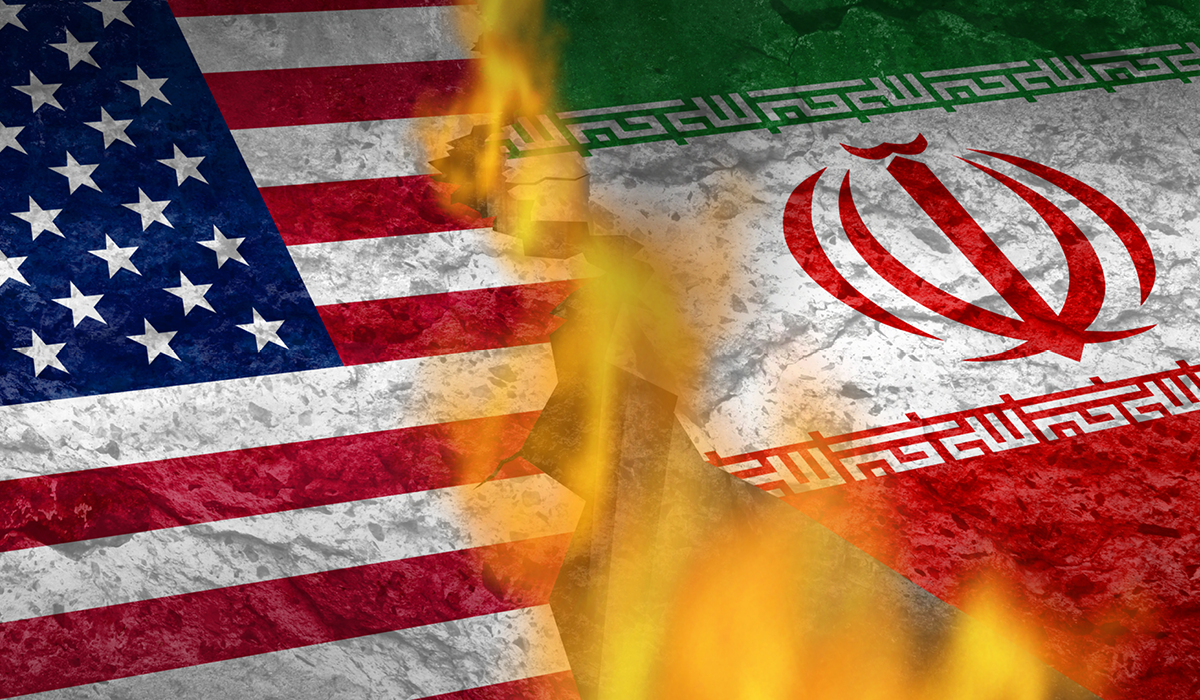
US-Iran Tensions Drive Credit Tightening and Market Instability
The intensifying confrontation
between the United States and Iran Banks has stepped up global risk fragility
as funding market, credit conditions and cross-border financial instability
materializes across major banking systems.
A key transmission channel is the
energy shock triggered by disruptions in the Strait of Hormuz, a critical
artery for global oil and liquefied natural gas flows.
Maritime traffic through the strait
has collapsed from typical levels of more than 100 daily transits to single
digits amid blockades and military restrictions, sharply constraining supply.
Oil prices have surged in response,
at one stage climbing to their highest levels since early April, reinforcing
inflationary pressures and complicating monetary policy expectations.
For banks, the immediate impact is
twofold. First, higher energy prices are feeding directly into borrower stress,
particularly among energy-intensive corporates.
Inflation persistence is also
increasing the likelihood of tighter monetary conditions, elevating funding
costs and compressing margins.
Evidence of this dynamic is already
visible. A European Central Bank survey published on April 28 found that
eurozone banks significantly tightened credit standards in the first quarter,
with further tightening expected, citing heightened economic risks linked to
the Iran conflict and energy uncertainty.
This tightening reflects a broader
shift in risk appetite. Banks are reassessing exposures not only to Middle
Eastern counterparties but also to sectors most vulnerable to energy volatility
and supply chain disruption.
Investment delays and precautionary
liquidity hoarding by corporates are beginning to weigh on loan demand, even as
credit supply becomes more constrained.
Beyond energy, the disruption of
shipping routes is emerging as a second-order but increasingly significant
risk.
With only a handful of vessels now
able to transit Hormuz and some ships being turned back or detained, global
trade flows are fragmenting.
For banks, this translates into
heightened trade finance risk, including delayed settlements, increased
counterparty uncertainty and rising insurance and collateral requirements.
The potential for stranded cargoes
and contractual disputes adds further complexity to balance sheet exposures.
Sanctions risk is also intensifying.
The United States has expanded measures targeting Iran’s oil transportation
infrastructure and warned that buyers of Iranian crude – including financial
intermediaries – could face secondary sanctions.
This raises compliance risks for
global banks, particularly those operating in Asia and the Middle East, where
enforcement boundaries can be less clear.
The possibility of inadvertent
exposure through complex supply chains or indirect financing arrangements is
increasing operational and legal risk burdens.
At the same time, currency and market
volatility are adding another layer of stress. The US dollar weakened against
major currencies on April 27 as negotiations stalled and investors recalibrated
expectations.
Such volatility complicates hedging
strategies and increases the cost of managing cross-border exposures,
particularly for banks with significant emerging market footprints.
Emerging markets themselves are
becoming a focal point of concern. The conflict-driven energy shock is
spreading inflationary pressure across developing economies, prompting central
banks to tighten policy and potentially slowing growth.
For international banks, this raises
the risk of rising non-performing loans and capital strain in jurisdictions
already vulnerable to external shocks.
There are also growing signs of
systemic spillover risks. Central banks and policymakers have warned that the
conflict could trigger broader supply shocks.
The Bank of England, for example, has
flagged the potential for significant inflationary effects stemming from energy
disruption.
Meanwhile, prolonged closure or
restriction of Hormuz could force a structural adjustment in global energy
consumption patterns, with profound implications for financial markets and
asset valuations.
Operational risk is another emerging
dimension. The presence of sanctions-linked vessels navigating restricted
waters, and the increasing militarization of shipping lanes, underline the
fragility of critical infrastructure and the potential for sudden escalation.
Banks with exposure to shipping
finance, insurance-linked products or commodity trading are particularly
exposed to abrupt disruptions.
Taken together, these factors point
to a multi-channel risk environment in which geopolitical conflict is rapidly
translating into financial system stress.
Credit tightening, market volatility,
sanctions complexity and trade disruption are not isolated issues but
interconnected pressures that reinforce one another.
The key concern for regulators and
bank risk officers is not any single shock, but the cumulative effect.
A sustained period of elevated energy
prices, constrained liquidity and geopolitical uncertainty could weaken balance
sheets, reduce lending capacity and amplify procyclical behavior across the
financial system.
While banks entered 2026 with
relatively strong capital positions, the evolving US–Iran conflict is testing
their resilience in real time. The coming weeks will be critical in determining
whether these pressures remain contained or begin to crystallize into broader
systemic risk.