
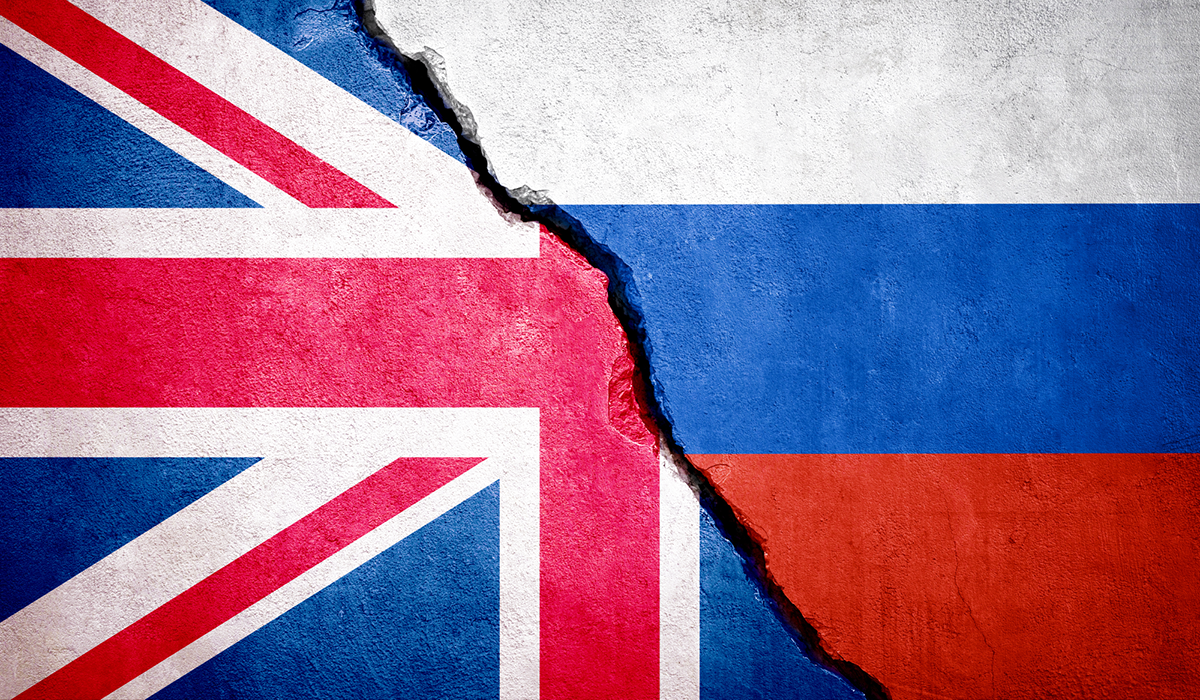
Britain Tightens Squeeze on Russia’s Financial Lifelines
Britain has imposed a sweeping new
round of sanctions targeting key financial institutions, energy shipping
networks, and individuals accused of helping sustain Russia’s war economy, as
Western governments intensify efforts to restrict Moscow’s access to capital,
technology, and export revenues.
The measures, announced on Tuesday,
include sanctions against the banking arm of Russian technology company Yandex,
two additional lenders, major insurer Rosgosstrakh, and more than 20 vessels
linked to the export of Russian oil and liquefied natural gas.
The package forms part of the UK
government's broader strategy to weaken the financial and logistical systems
supporting Russia’s military operations in Ukraine and comes as leaders of the
Group of Seven nations continue discussions on coordinated economic pressure
against Moscow.
Prime Minister Keir Starmer said the
latest actions were aimed at the networks helping to sustain Russia’s war
machine.
“These sanctions target the vessels,
the money and the actors propping up Russia’s war economy, and in turn,
threatening European security,” Starmer said while attending the G7 summit.
A significant focus of the sanctions
is Russia’s so-called shadow fleet, a network of vessels often operating under
foreign registrations and used to transport Russian oil and gas in ways
designed to circumvent Western restrictions.
Many of the ships are aging tankers
that have become central to Moscow’s efforts to maintain energy exports despite
sanctions imposed since the invasion of Ukraine.
The latest package includes more than
20 oil tankers as well as several liquefied natural gas carriers.
Britain said it had become the first
G7 nation to sanction vessels connected to Russia’s Arctic LNG 2 project, a
strategically important energy development that Western governments have sought
to disrupt.
The UK government said it has now
imposed sanctions on nearly 600 vessels associated with the shadow fleet.
The announcement follows recent
action by British authorities, including the interception of a tanker in the
English Channel that officials linked to sanctions evasion activities.
Beyond energy exports, the sanctions
also target what Britain described as a clandestine procurement network
centered on a company known as Neptune. According to the government, the
organization has been involved in acquiring Western technology and equipment
for Russia’s defense industry.
British officials allege that Neptune
operated as a front organization for Russia’s GRU military intelligence agency,
helping source goods and technologies that could be used to support military
production and operations.
As a result, the sanctions extend
beyond companies to include individuals identified as GRU officers, alongside
businesses in Russia and other countries accused of supplying defense-related
technology.
The move reflects a growing trend
among Western governments to focus not only on direct financial institutions
but also on the wider ecosystems that facilitate sanctions evasion, including
shipping operators, procurement agents, intermediaries, and technology
suppliers.
The sanctions package was accompanied
by fresh support for Ukraine’s energy sector.
Britain announced £210 million in
financing aimed at strengthening Ukraine’s energy security, including support
for a loan that will help state-owned nuclear operator Energoatom secure
supplies of enriched uranium.
The dual approach of increasing
economic pressure on Russia while expanding financial support for Ukraine
underscores the UK's determination to maintain pressure on Moscow as the
conflict enters another year.
With sanctions increasingly focused
on the infrastructure that enables trade, finance, and military procurement,
the latest measures signal that Britain intends to continue targeting the
networks that help Russia generate revenue and obtain critical resources
despite existing international restrictions.