
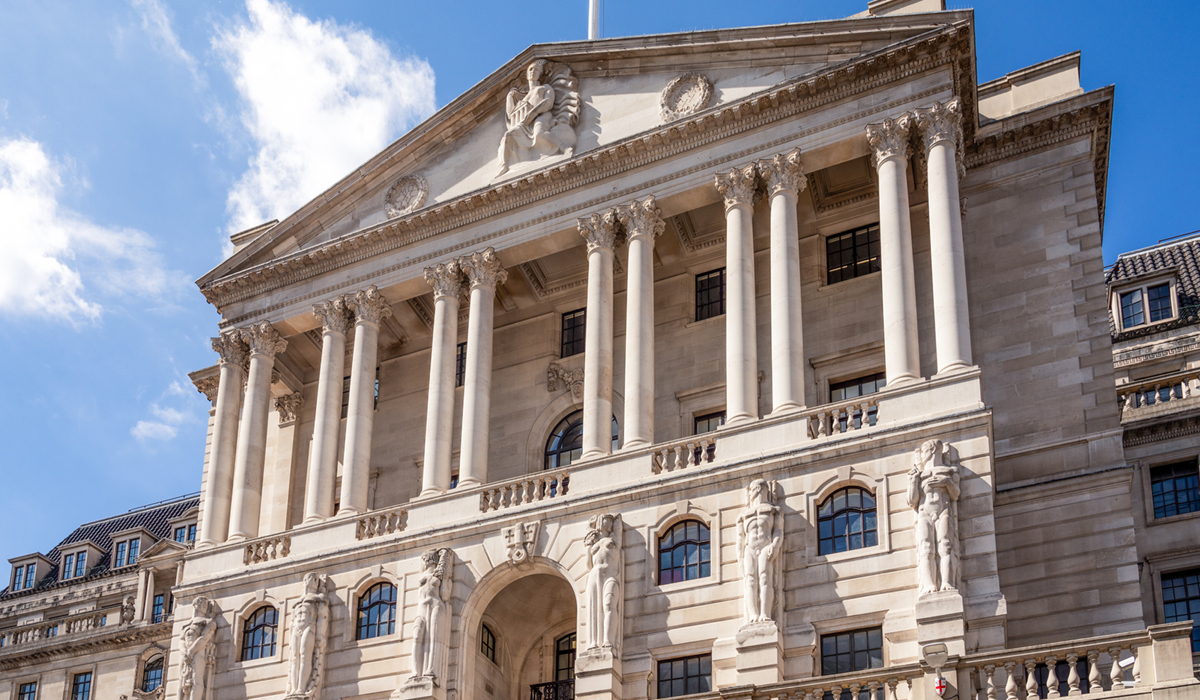
BoE Warns Financial Stability Risks Surge as AI Bubble Grows
The Bank of England has warned that
risks to the UK’s financial system have risen substantially this year, citing
overstretched valuations in artificial intelligence investments, risky lending
practices and an unprecedented level of leveraged activity in government bond
markets.
The assessment, released Tuesday in
the central bank’s half-yearly Financial Stability Report, reinforces a series
of recent warnings from Governor Andrew Bailey and senior policymakers.
Despite unveiling the first cut to
bank capital requirements since the 2008 global financial crisis, the BoE said
heightened geopolitical tensions, trade fragmentation and mounting strains in
sovereign debt markets pose new challenges for financial stability.
Bailey told reporters that
governments face growing fiscal pressures which may limit their ability to
respond effectively to future shocks.
While the UK banking sector remains
well capitalised and corporate and household indebtedness is relatively low,
the central bank highlighted rising risks from abroad and from highly
interconnected areas of financial markets.
Investor appetite for AI-linked
companies has driven valuations in the United States to their most stretched
levels since the dotcom bubble, and in the UK to their highest point since the
global financial crisis.
The BoE warned that deepening links
between AI firms and credit markets could create spillover risks if a
correction occurs.
Bailey noted that even if AI delivers
long-term economic benefits, not all currently high-priced firms will emerge as
winners. This, he said, leaves lenders exposed should sentiment shift abruptly.
Regulators also pointed to recent
corporate failures, including US car parts maker First Brands and dealership
and lender Tricolor, as potential early signs of broader vulnerabilities. In
response, the BoE will carry out a dedicated stress test later this week
examining the resilience of the private markets ecosystem.
Bailey emphasised the importance of
firms modelling scenarios where losses are more severe or more correlated than
historic patterns suggest.
His remarks drew a response from the
British Private Equity and Venture Capital Association, which argued that
private capital has demonstrated resilience across multiple economic cycles.
BVCA Chief Executive Michael Moore
said the sector had been a central pillar of UK economic growth for more than
four decades.
Another point of concern for the
central bank is the record level of leveraged activity by hedge funds in the
gilt repo market.
The BoE noted that exposure
approached 100 billion pounds last month, dominated by a handful of primarily
US-managed funds reliant on frequent refinancing.
Officials warned that this
concentration poses potential vulnerabilities should funding conditions
deteriorate.
The warnings come at a time when the
BoE is attempting to balance financial-stability oversight with support for
economic growth.
Although banks are well placed to
withstand shocks, the combination of elevated market exposures, geopolitical
uncertainty and pressures on government finances has created a more fragile
backdrop.
The central bank’s latest assessment
underscores a more cautious tone for 2026, with policymakers preparing for the
possibility that global stresses could intersect in ways that test the
resilience of the UK financial system more severely than in recent years.